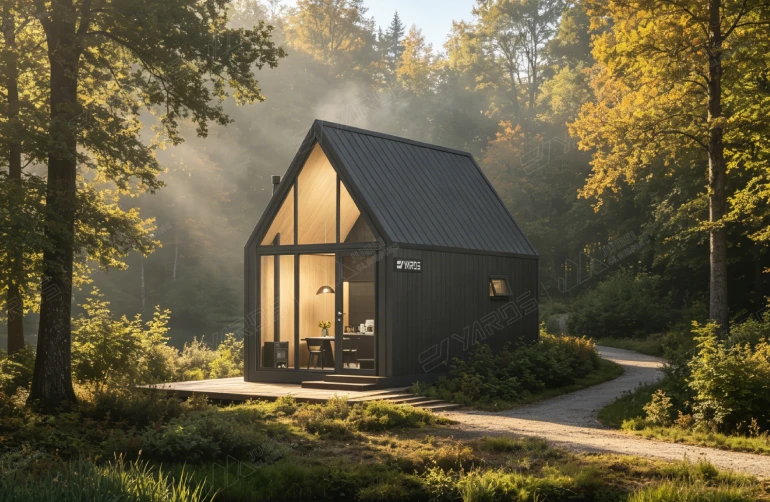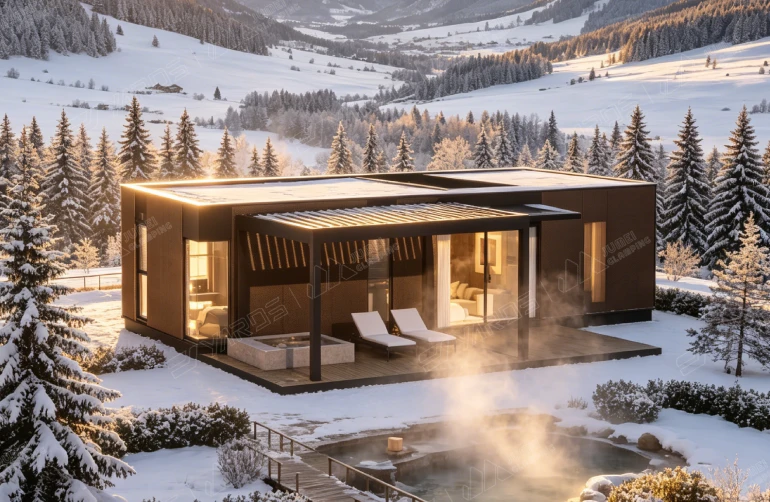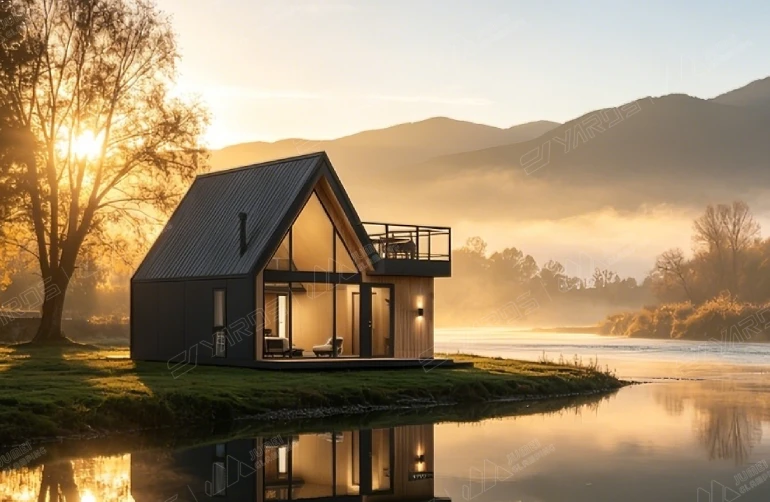
The tourism industry is rapidly evolving as travelers increasingly seek unique accommodation experiences that combine comfort, nature, and privacy. In this growing market, Modular Homes Housing has become an attractive solution for resort developers, outdoor hospitality operators, and investors who want to create modern vacation destinations with strong business potential.

Unlike traditional hotel construction, modular homes provide a flexible approach to developing outdoor resorts. They can be designed and installed in scenic locations such as forests, mountains, lakesides, coastal areas, and countryside destinations. This adaptability allows investors to create distinctive accommodation projects that meet the changing expectations of modern travelers.
One of the main audiences for Modular Homes Housing projects is eco-tourism travelers. More visitors are looking for peaceful destinations where they can escape busy urban lifestyles and enjoy nature. Modular homes provide comfortable living spaces while maintaining a close connection with the surrounding environment, making them suitable for nature retreats and sustainable tourism projects.
Families are another important customer group. Compared with traditional camping accommodations, modular homes offer larger spaces, private bedrooms, bathrooms, kitchens, and living areas. These features make them attractive for family vacations, long-stay holidays, and group travel experiences where comfort and convenience are important.
Young travelers and digital nomads are also becoming a growing market segment. Many people now prefer flexible travel experiences and unique accommodations that provide both relaxation and functionality. Resorts using Modular Homes Housing can attract these customers by offering stylish designs, comfortable interiors, and inspiring natural surroundings.
From an investment perspective, modular homes create multiple revenue opportunities. The most common business model is short-term vacation rental, where resorts generate income through daily or weekly bookings. Premium locations with attractive landscapes can often support higher accommodation prices due to the unique guest experience they provide.
Another profitable model is long-term accommodation. Some resort developers offer monthly stays for remote workers, retirees, or travelers seeking extended nature-based living experiences. This creates more stable income compared with seasonal short-term rentals.
Modular homes also support expansion strategies. Investors can begin with a smaller number of units, evaluate market performance, and gradually add more accommodations as demand increases. This phased development approach reduces initial investment pressure while allowing the business to grow sustainably.
Operational efficiency is another advantage of Modular Homes Housing. Factory production helps improve construction speed and quality control, allowing resort projects to open faster compared with conventional buildings. Lower maintenance requirements and durable materials can also help reduce long-term operating costs.
The profitability of a modular resort depends on several factors, including location, design quality, service level, and marketing strategy. A well-designed project with attractive landscapes, recreational facilities, and high-quality guest services can significantly improve customer satisfaction and repeat bookings.
Sustainability is also becoming an important competitive advantage. Many travelers are willing to choose environmentally responsible accommodations. Modular homes can support green tourism concepts through efficient construction methods, reduced material waste, and energy-saving designs.
When planning a resort project, choosing the right supplier is essential. Experienced manufacturers can provide customized layouts, durable structures, and solutions adapted to different climates and tourism markets. This helps investors create accommodation products that match their target customers and business goals.
Overall, Modular Homes Housing provides an effective way to develop profitable outdoor resort projects. With growing demand for nature-based travel, flexible accommodation models, and unique vacation experiences, modular homes offer strong potential for investors seeking opportunities in the future tourism market.