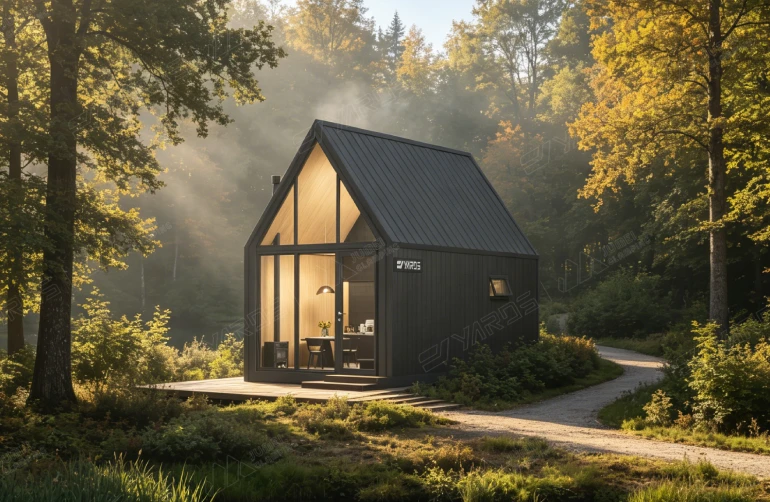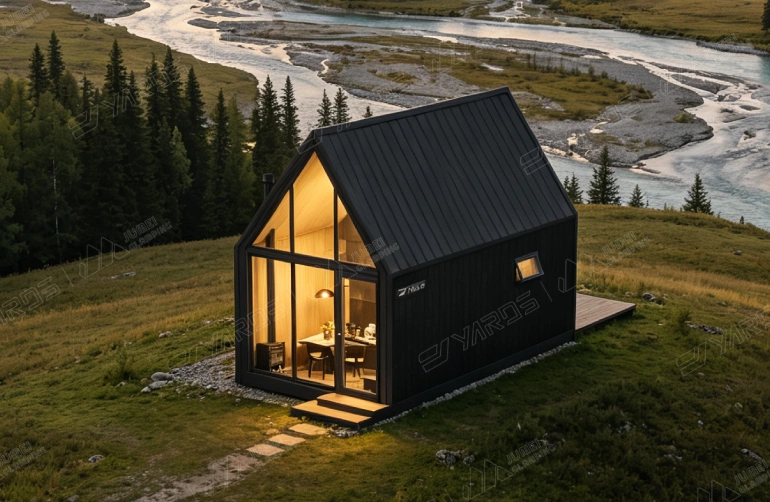
Modular homes are becoming an attractive solution for residential projects, holiday resorts, hotels, and commercial developments. Compared with traditional construction, modular buildings offer flexible layouts and factory-based production, helping developers manage construction schedules and project requirements. However, the total Modular Homes Cost involves more than the basic price of the building. Buyers should understand every major expense before confirming an order.
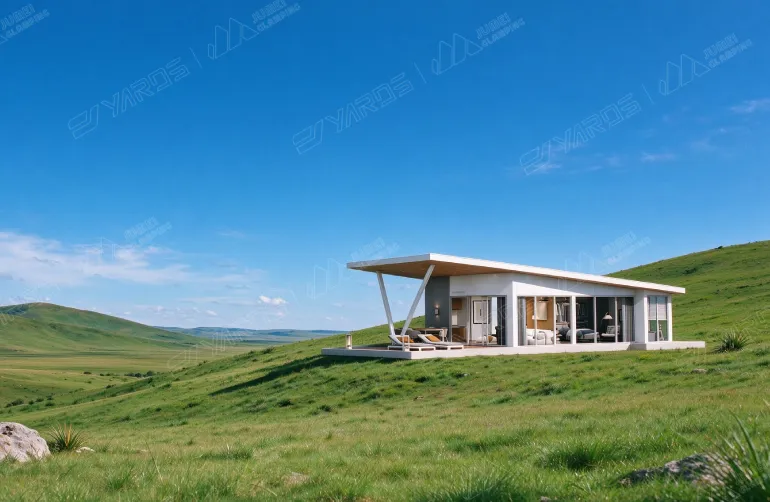
Building Size and Structural Configuration
The size of a modular home is one of the most important factors affecting its price. Larger buildings require more structural materials, wall panels, roofing components, windows, and interior space. Multi-bedroom layouts or two-story designs may also involve additional structural requirements.
The building’s structure and materials influence the budget as well. Steel frames, aluminum structures, insulation systems, roofing materials, and exterior wall panels can have different costs depending on their specifications and performance.
Before requesting a quotation, buyers should confirm the required floor area, number of rooms, building height, and overall layout.
Interior Decoration and Functional Facilities
Interior finishes can create significant differences in the final price. Basic configurations may include wall panels, flooring, ceilings, doors, and windows, while more complete packages can include cabinets, wardrobes, kitchen equipment, bathroom fixtures, lighting, and furniture.
The choice of materials also matters. Standard finishes are generally more economical, while premium flooring, customized cabinets, decorative wall panels, and high-end sanitary equipment increase the investment.
For hotels and resort projects, buyers may also require air conditioning, water heaters, electrical systems, plumbing, and ventilation equipment. When comparing Modular Homes Cost, make sure suppliers clearly identify which facilities are included and which are optional.
Exterior Design and Customization
The exterior appearance affects both the building’s architectural style and its manufacturing cost. Different facade materials, decorative panels, roof designs, glass walls, and outdoor terraces can change the overall quotation.
Some projects require customized colors, larger panoramic windows, additional shading structures, or special weather-resistant materials. These details should be discussed during the design stage to avoid unexpected changes later.
Overseas Shipping and Transportation
For international buyers, overseas transportation is another major expense. Modular homes may be shipped as complete modules, flat-packed components, or separate structural parts, depending on their design and dimensions.
Shipping costs are influenced by packaging volume, container requirements, transportation distance, shipping methods, and destination port charges. Buyers should also consider customs duties, import taxes, customs clearance, and inland transportation from the port to the project site.
A detailed shipping quotation helps investors calculate the actual landed cost rather than relying only on the factory price.
Installation and Additional Project Expenses
Other costs may include site preparation, foundations, ground leveling, crane rental, installation labor, and connections to electricity, water, and drainage systems.
Depending on local regulations, permits, architectural approvals, engineering assessments, and inspections may also be required. These expenses are usually determined by the destination country and specific project conditions.
Calculate the Complete Investment
The most accurate way to evaluate Modular Homes Cost is to request an itemized quotation covering the building structure, interior and exterior finishes, optional equipment, transportation, installation, and other relevant expenses.
By comparing complete configurations instead of basic unit prices, buyers can establish a realistic budget and avoid hidden costs. Careful planning makes it easier to select a modular home that matches both the project requirements and the available investment.