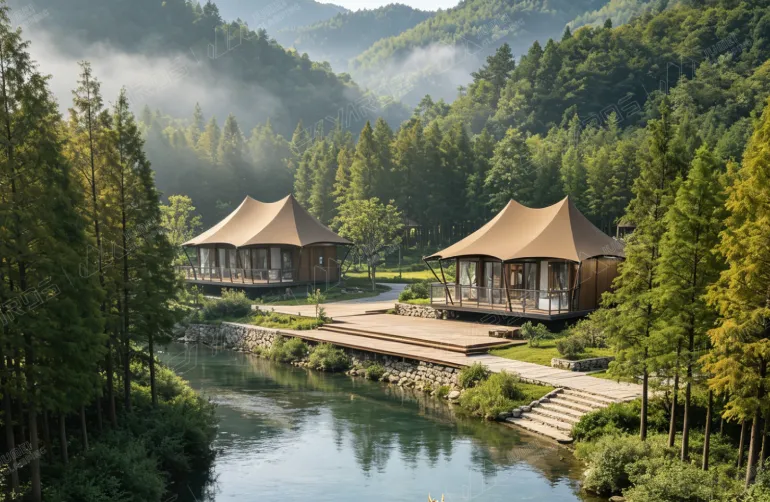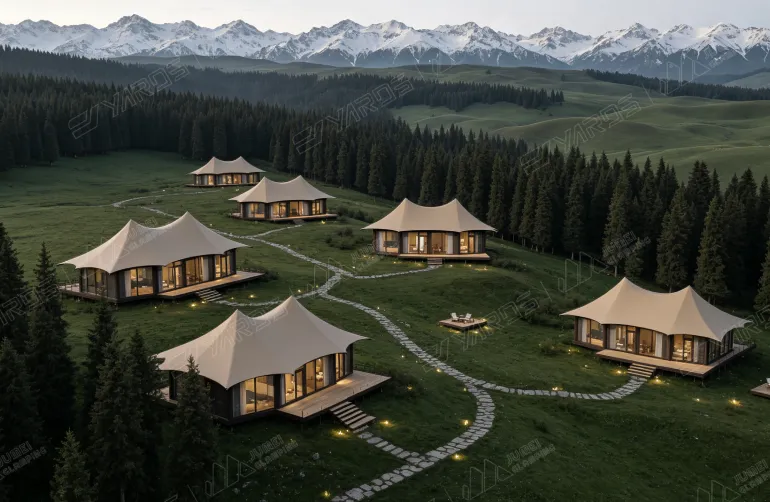
Outdoor resort hotels are becoming increasingly popular among travelers who want to enjoy natural landscapes without sacrificing accommodation comfort. From mountain retreats and beachfront resorts to forest camps and countryside destinations, tent hotels offer a distinctive way to combine hospitality with outdoor experiences.
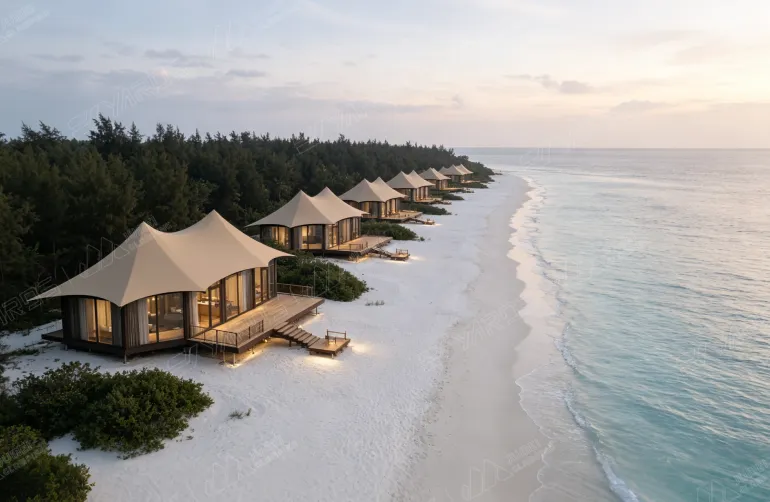
For investors planning this type of business, choosing the right Luxury Hotel Tent is only the first step. Another important question is how many accommodation units should be built to create a profitable and manageable resort.
Why Choose Luxury Hotel Tents for Resort Development?
Compared with conventional hotel buildings, luxury tents can offer greater flexibility in site planning and accommodation design. They allow developers to create independent guest units while maintaining a closer connection with the surrounding environment.
A well-designed Luxury Hotel Tent can include comfortable beds, private bathrooms, furniture, lighting, air conditioning, and spacious verandas. These features help provide a hotel-style experience while preserving the atmosphere of outdoor accommodation.
Another advantage is the variety of available layouts. Couples, families, and group travelers may have different space requirements, allowing resort owners to combine several tent models within one project.
How Many Tents Should an Outdoor Resort Build?
There is no fixed number of tents suitable for every resort. The ideal quantity depends on land size, investment budget, local tourism demand, target customers, and operational capacity.
For a small boutique resort, starting with 5–10 accommodation units can be a practical approach. This scale allows owners to test market demand, establish service standards, and manage daily operations with a relatively smaller team.
For a medium-sized outdoor resort, approximately 15–30 units may provide more accommodation capacity while allowing space for reception areas, restaurants, walking paths, and shared recreational facilities.
Larger tourism projects may include 40 or more tents, depending on the available land and expected visitor numbers. However, increasing the number of rooms does not automatically guarantee higher profits. Developers must consider guest privacy, environmental impact, facility capacity, and staffing requirements.
What Factors Determine the Number of Units?
Land planning should come first. Investors need to calculate not only the footprint of each tent but also the space required for pathways, parking, landscaping, drainage, and shared facilities. Leaving sufficient distance between units can improve privacy and the overall guest experience.
The target market is another important consideration. A luxury resort focusing on couples may prefer fewer, larger units with private outdoor spaces. A family-oriented destination may need larger accommodation types and more supporting facilities.
Budget and operating costs also matter. Every additional tent increases the initial purchasing cost and may add expenses for furniture, utilities, cleaning, maintenance, and staff. A realistic financial plan should estimate expected occupancy rates and average room prices before determining the final quantity.
Plan for Flexible Expansion
For new resort investors, phased development can reduce financial pressure. Instead of building all accommodation units at once, owners can begin with a smaller number of tents and expand after evaluating booking performance and customer feedback.
When selecting a Luxury Hotel Tent, consider whether the manufacturer can provide different sizes, layouts, and customization options. This makes it easier to maintain a consistent resort design while adjusting accommodation capacity in the future.
Build a Resort That Balances Comfort and Profitability
A successful outdoor hotel requires more than attractive accommodation. Location, service quality, facilities, marketing, and cost management all influence long-term performance.
Choosing the right Luxury Hotel Tent and determining a suitable number of units can help investors balance guest comfort, land utilization, and operating costs. Start with a clear business plan, understand your target market, and build accommodation capacity according to realistic demand rather than simply maximizing the number of rooms.