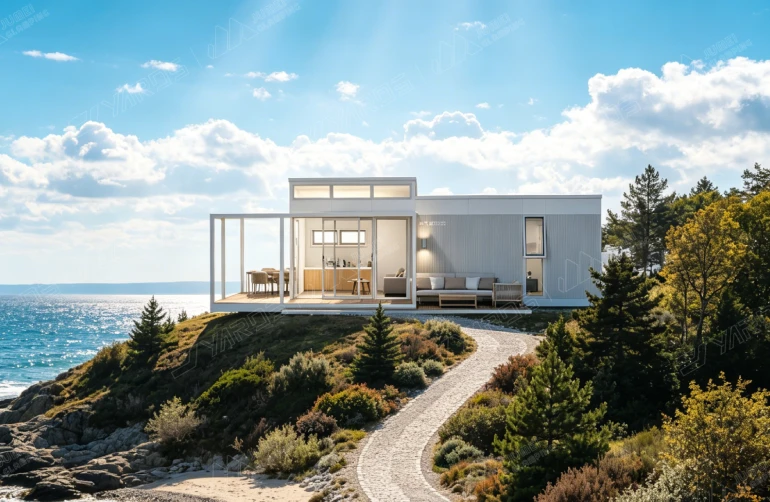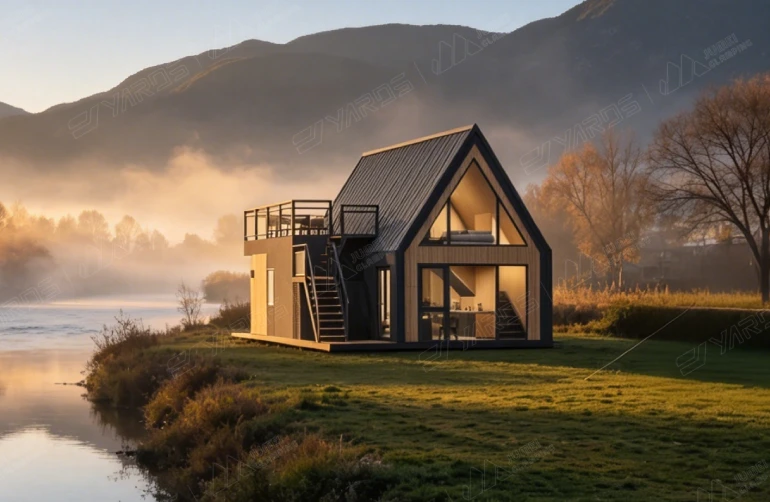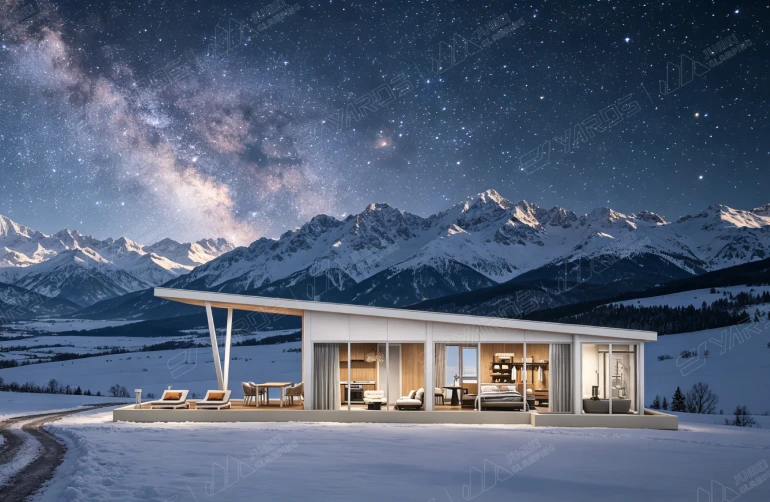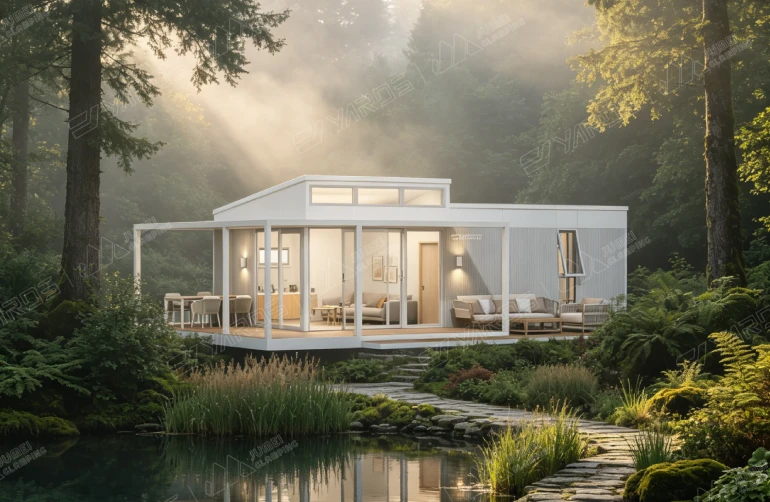
A Prefab Homes Cottage can be a practical accommodation solution for resorts, countryside retreats, holiday parks, and nature-based tourism projects. However, choosing a suitable prefab cottage requires more than looking at its appearance. Climate, terrain, rainfall, wind, temperature, and local building conditions can all influence the final design and materials.
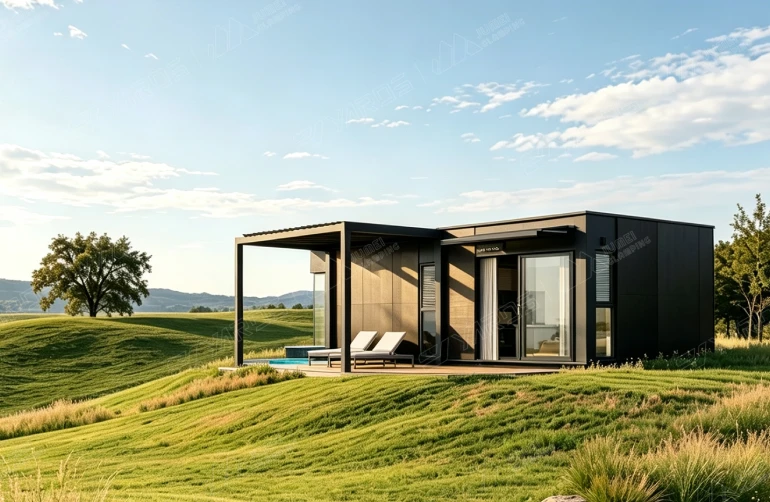
Adapting to Hot and Dry Areas
In desert and other hot environments, strong sunlight and large temperature differences can affect indoor comfort. A Prefab Homes Cottage can be configured with appropriate insulation, reflective roofing, shaded outdoor areas, energy-efficient windows, and ventilation systems.
These features can help reduce heat transfer and maintain a more comfortable indoor environment. For remote resorts, energy-efficient systems can also help reduce long-term operating costs.
Suitable for Humid and Rainy Climates
Tropical and coastal locations often experience high humidity, heavy rainfall, and prolonged exposure to moisture. In these areas, waterproof roofing, effective drainage, moisture-resistant wall materials, and corrosion-resistant structural components are particularly important.
A well-designed Prefab Homes Cottage should also have sufficient ventilation to reduce condensation and improve indoor air quality. Elevating the structure above the ground can be another useful solution for sites with heavy rainfall or drainage challenges.
Cold and Mountain Environments
Cold regions require stronger insulation and carefully designed doors and windows to reduce heat loss. Mountain sites may also experience stronger winds and occasional snow, so the structural system should be selected according to local conditions.
A Prefab Homes Cottage can incorporate insulated wall panels, stronger framing, double glazing, heating systems, and reinforced roofing where necessary. However, wind and snow-load requirements should always be assessed according to the actual location rather than relying on a standard configuration.
Adapting to Different Terrain
Environmental adaptability also includes the condition of the land itself. Resorts may be built on slopes, forests, grasslands, coastal areas, or uneven ground. Prefabricated construction can provide flexibility because many components are manufactured in a controlled factory environment and assembled on site.
Depending on the terrain, the cottage may use elevated platforms, adjustable foundations, or customized positioning to reduce unnecessary excavation and protect the surrounding landscape.
Customization Improves Long-Term Performance
The biggest advantage of a Prefab Homes Cottage is that its configuration can be adjusted before production. Buyers can discuss insulation levels, window specifications, roofing materials, exterior finishes, ventilation, heating, cooling, and other features according to the destination.
For tourism projects, this flexibility allows one basic cottage concept to be adapted for different environments while maintaining a consistent visual style across the resort.
Ultimately, a Prefab Homes Cottage should be selected according to the actual climate and site rather than appearance alone. Careful consideration of weather resistance, insulation, drainage, structural strength, and foundation design can help create comfortable accommodation that performs reliably in different outdoor environments.