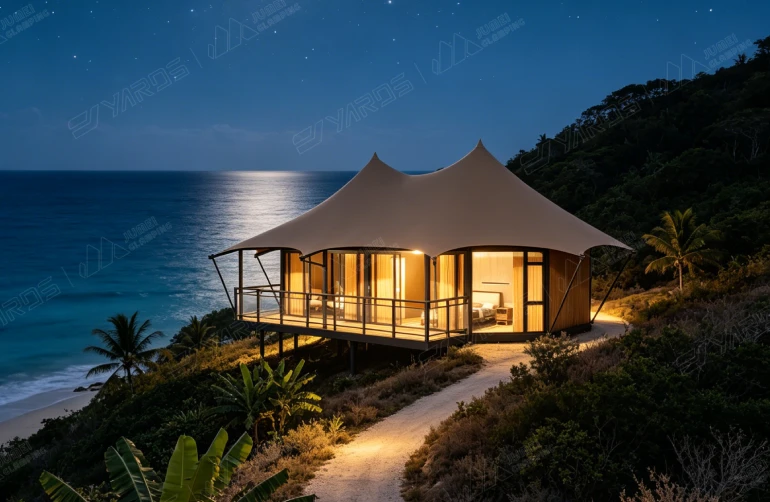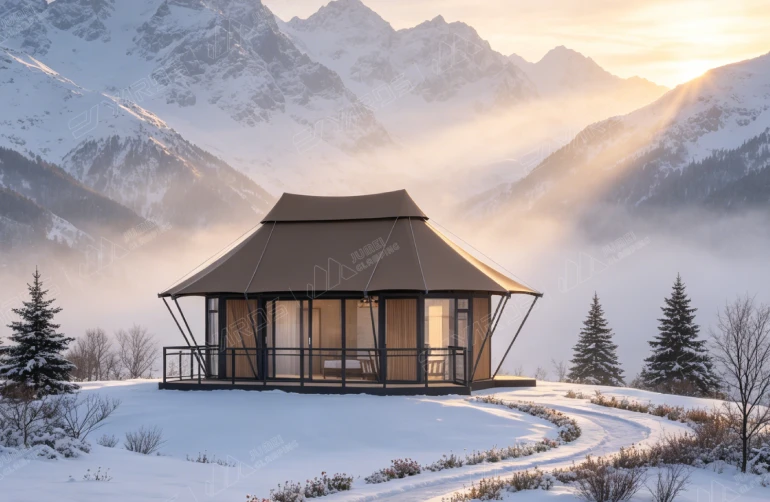
Camping has evolved from a simple outdoor activity into a popular travel experience that combines nature, relaxation, and comfort. Today’s travelers increasingly seek accommodation that allows them to enjoy beautiful landscapes without giving up the convenience of modern living. As a result, Luxury Lodge Tents are becoming an attractive choice for glamping resorts, eco-tourism destinations, and outdoor hospitality businesses.
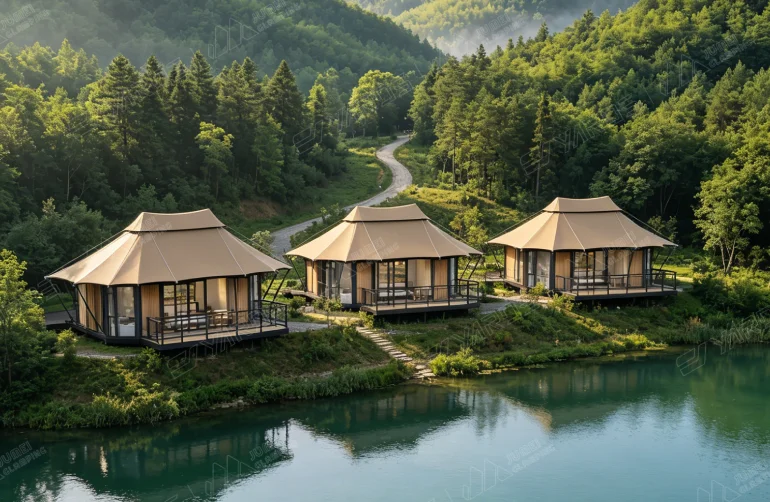
Compared with traditional camping tents, lodge tents offer more spacious interiors, distinctive architectural designs, and greater opportunities for creating memorable guest experiences. This shift is also encouraging resort investors to explore new ways of developing attractive outdoor accommodation.
Why Luxury Lodge Tents Are Growing in Popularity
Traditional tents are usually designed for portability and basic shelter. They are ideal for hiking, short camping trips, and travelers who prefer simple outdoor adventures. However, they may provide limited space for furniture, private facilities, and extended stays.
In comparison, Luxury Lodge Tents are designed to create a more complete living environment. Depending on the model, they can accommodate comfortable beds, seating areas, private bathrooms, lighting, and air conditioning. Large windows and spacious layouts also help guests enjoy natural scenery while maintaining privacy and comfort.
These features make lodge tents suitable for mountain retreats, forest campsites, lakeside resorts, and safari destinations. For travelers who want to experience nature without sacrificing everyday conveniences, they offer an appealing balance between outdoor adventure and hotel-style accommodation.
A New Direction for Camping and Resort Projects
The development of glamping has encouraged tourism businesses to focus on unique accommodation rather than simply providing a place to sleep. Travelers increasingly value privacy, scenic views, attractive interiors, and experiences that feel different from conventional hotels.
Luxury Lodge Tents support this trend through flexible designs and customizable layouts. Resort owners can select different sizes, roof styles, exterior materials, and interior configurations to match their destination and target customers.
For example, a forest resort might emphasize natural colors, wooden furniture, and private outdoor decks. A safari destination could feature spacious family accommodation with panoramic views, while a lakeside retreat might focus on open living spaces and relaxing terraces.
These design choices help resorts develop a recognizable identity and create accommodation that appeals to travelers looking for distinctive holiday experiences.
What Experience Can Lodge Tents Offer Visitors?
One of the biggest differences between traditional camping and luxury glamping is the level of comfort. Instead of sleeping on the ground and carrying essential equipment, guests can enjoy furnished interiors, proper beds, convenient lighting, and more organized living spaces.
At the same time, lodge tents preserve many of the experiences that make camping special. Guests can wake up to natural scenery, listen to birds, relax on private verandas, and spend more time outdoors. The tent structure creates a closer connection with the surrounding landscape than many conventional hotel rooms.
Well-planned Luxury Lodge Tents can also support family holidays, romantic getaways, and longer nature retreats. With suitable ventilation, insulation, waterproofing, and structural design, they can serve different environments, provided the specifications match local weather conditions.
An Attractive Option for Outdoor Hospitality Investors
For resort developers, lodge tents can provide an alternative to conventional building projects. Many models are manufactured off-site and assembled at the destination, potentially reducing on-site construction work. Actual costs and installation times depend on transportation, foundations, utilities, local regulations, and the selected design.
Before investing, businesses should evaluate material quality, maintenance requirements, seasonal demand, and expected occupancy to ensure the accommodation suits their commercial goals.
Conclusion
As travelers seek more comfortable and memorable ways to explore nature, luxury glamping is creating new opportunities for outdoor tourism. Luxury Lodge Tents combine the freedom of traditional camping with spacious interiors, modern facilities, and distinctive designs. For visitors, they offer a more relaxing connection with nature; for resort owners, they provide a flexible option for developing attractive outdoor accommodation.