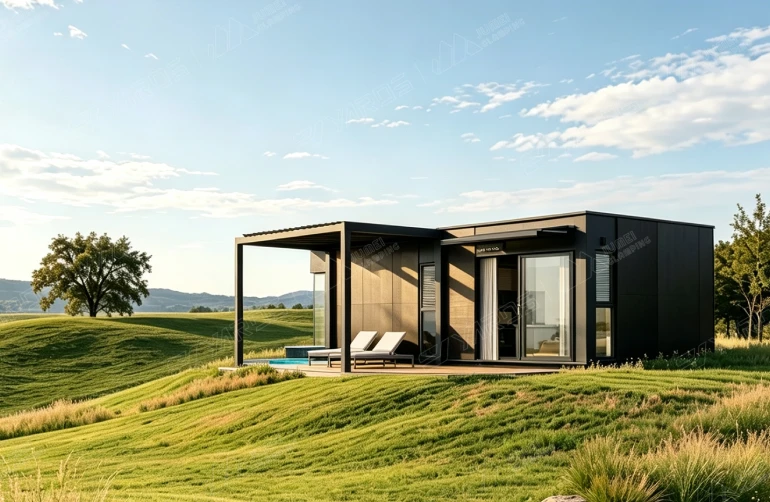
When buyers search for a Prefab Home Price List, they often expect to find one fixed price for each model. In reality, prefab home pricing can vary significantly depending on the size, structure, materials, interior configuration, customization, transportation, and installation requirements. Understanding these cost components makes it easier to compare suppliers and build an accurate project budget.

Factory Product Price
The first and most important part of a Prefab Home Price List is the factory price. This normally covers the main building structure, including the frame, wall system, roof, doors, windows, insulation, and standard exterior finishes.
Different manufacturers may use different materials and production systems, so two homes with similar floor areas can have very different prices. Buyers should therefore check exactly what is included in the basic quotation rather than comparing only the advertised price.
The product positioning also affects the factory price. Entry-level models generally use standardized designs and basic finishes, while premium models may include upgraded insulation, larger glazing, better exterior materials, and more sophisticated interior systems.
Interior Configuration and Upgrades
Interior configuration is another major pricing module. Kitchens, bathrooms, flooring, lighting, cabinets, furniture, appliances, air conditioning, and smart-home systems may either be included in the standard package or charged as optional upgrades.
For example, a basic prefab unit designed for simple accommodation will usually cost less than a fully furnished model intended for a luxury resort. Buyers should request a detailed specification sheet to understand the difference between the standard configuration and optional upgrades.
Customization can also affect the price. Changes to floor plans, windows, doors, colors, interior finishes, or structural details may require additional design and engineering work.
Foundation and Site Preparation
The factory quotation does not always include foundation and land preparation. These costs depend heavily on the project location and ground conditions.
A flat site may require relatively simple preparation, while a sloping, rocky, sandy, or remote site may require additional engineering, grading, drainage, or foundation work. Current 2026 pricing guides also identify site preparation and foundations as important costs outside the factory price.
For this reason, buyers should treat the Prefab Home Price List as a starting point rather than the complete project cost.
Transportation and Installation
Transportation is another separate cost that can have a significant impact, particularly for overseas projects. Freight charges depend on the shipping distance, package dimensions, loading method, destination port, inland transportation, and site accessibility.
Installation may include unloading, crane services, assembly, electrical and plumbing connections, and local labor. These expenses are normally calculated according to the project location and installation method.
A clear quotation should indicate whether delivery and installation are included or calculated separately.
Design, Permits, and Utility Connections
Some projects also require additional design services, engineering drawings, local permits, inspections, and utility connections. Electricity, water, sewage, septic systems, and other infrastructure can vary greatly between locations.
These items may not appear in a standard Prefab Home Price List, but they should be included when calculating the total investment required to make the home ready for use.
Comparing Prices More Effectively
A reliable Prefab Home Price List should clearly separate the factory product, interior options, customization, transportation, installation, foundation, and other project-related expenses.
Instead of choosing the supplier with the lowest initial quotation, buyers should compare the complete scope of supply and the final delivered cost. A slightly higher factory price may provide better materials, stronger durability, more complete interiors, or better after-sales support.
For residential developments, holiday homes, and outdoor resorts, this approach helps investors understand where their budget is going and select a prefab home that matches both the target market and expected return on investment.