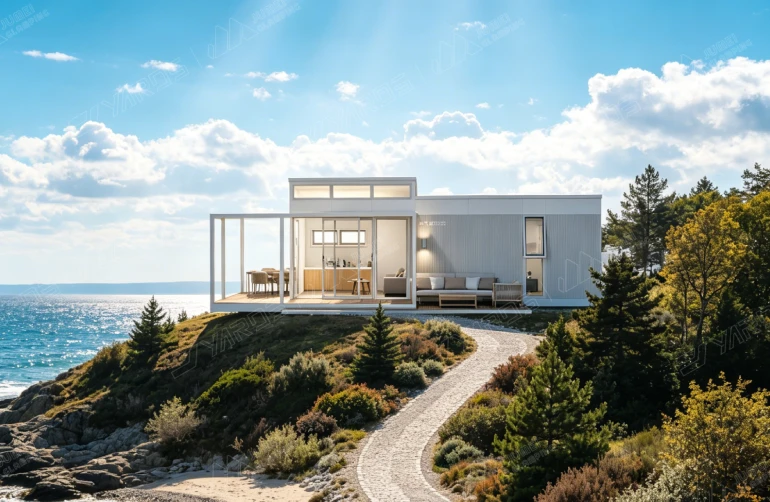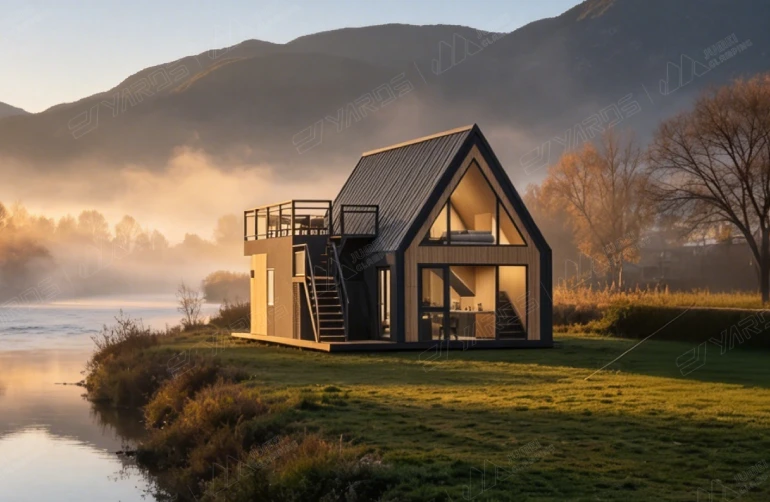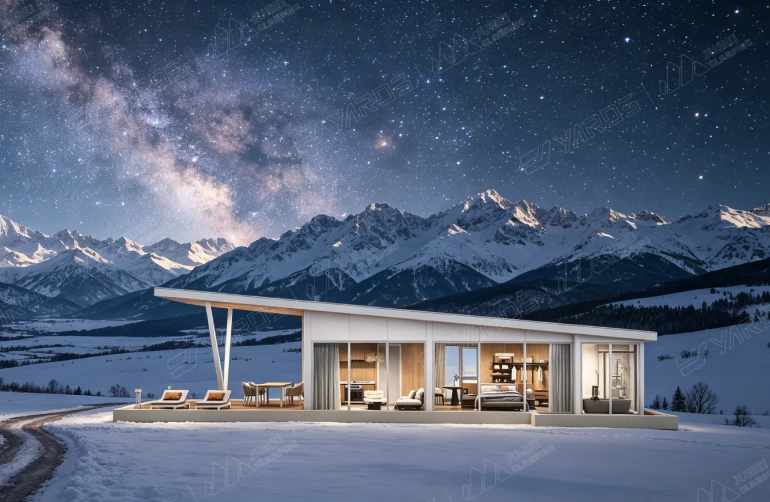
Prefab Home Construction is becoming an increasingly attractive solution for modern residential and resort projects. Unlike the traditional image of temporary buildings, today’s prefabricated homes can combine engineered structures, factory-controlled production, climate-adapted materials, and comfortable interior spaces. This makes them suitable for both permanent living and nature-based accommodation.
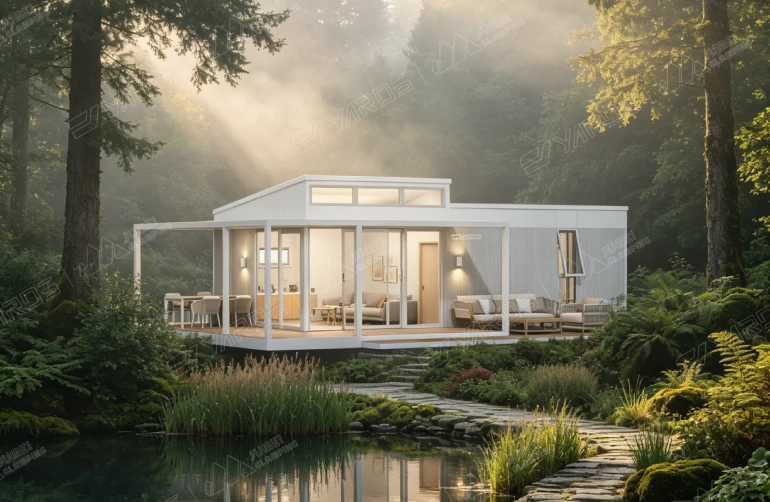
Structural Stability Starts in the Factory
One of the major advantages of Prefab Home Construction is the controlled manufacturing environment. Structural components are produced according to standardized designs and assembled with greater consistency before being transported to the site. Research on modular buildings highlights that structural connections, individual modules, and load-transfer systems are critical to overall stability.
For this reason, a reliable prefab home should not only focus on appearance. The frame, connection points, foundation, roof system, and structural materials all need to be designed according to local building requirements and expected environmental loads.
Adapted to Different Climates and Locations
A good prefabricated home needs to work with its environment rather than simply being placed in it. Mountain areas, coastal resorts, forests, deserts, and cold regions can have very different requirements for insulation, ventilation, waterproofing, wind resistance, and temperature control.
Modern Prefab Home Construction allows the building envelope to be customized according to local climate conditions. Research also indicates that envelope materials and climate conditions can significantly influence energy efficiency and indoor environmental quality in modular residential buildings.
This adaptability makes prefab homes particularly useful for outdoor resorts and remote destinations where conventional construction may be more complicated or time-consuming.
Comfortable Living Beyond Traditional Expectations
Structural strength is only part of a successful home. Residents also expect good thermal comfort, natural lighting, ventilation, sound insulation, and practical interior layouts.
Modern Prefab Home Construction can integrate insulation, windows, electrical systems, plumbing, heating, ventilation, and interior finishes into a coordinated building system. Studies of prefabricated residential construction have identified improved quality control, thermal and acoustic insulation, energy efficiency, and faster installation as important benefits.
For resort developers, this means prefab accommodation can provide a residential-level experience while maintaining the flexibility needed for outdoor tourism projects.
A Practical Choice for Modern Projects
The combination of stable structures, climate adaptability, and comfortable interiors makes Prefab Home Construction more than a fast construction method. It is becoming a practical approach to creating durable and attractive living spaces in different environments.
For investors and resort developers, choosing an experienced manufacturer is essential. Structural design, material selection, factory quality control, customization, installation support, and after-sales service should all be considered before starting a project. With the right design and manufacturing standards, prefab homes can provide a reliable living experience while adapting to the changing needs of modern residential and hospitality projects.