As outdoor tourism, private retreats, and modern holiday homes continue to develop, more property owners are looking for buildings that combine comfort, attractive design, and flexible installation. Custom Luxury Prefab Homes offer a practical solution for projects located in different geographical environments. By adapting the structure, foundation, materials, and layout to the land, owners can create comfortable living spaces while making better use of the natural surroundings.
Adapting to Sloping and Uneven Land
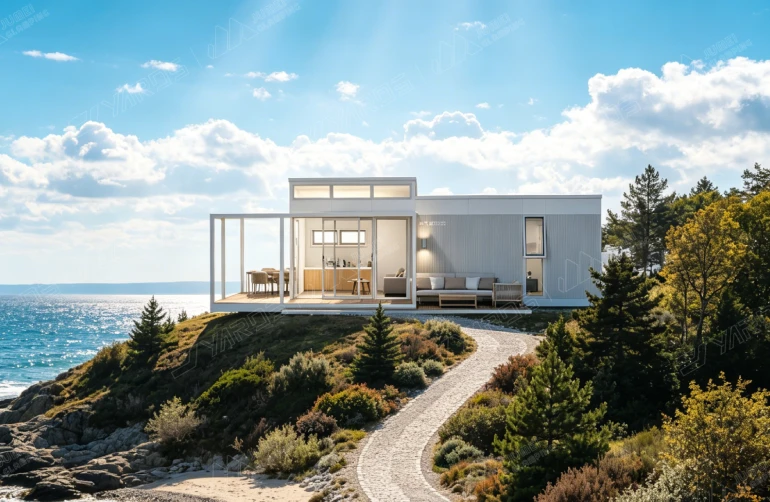
Not every attractive building site has flat ground. Mountain resorts, hillside retreats, and countryside properties often feature slopes that make traditional construction more complicated. Standard building designs may require extensive excavation, leveling, or retaining structures before construction can begin.
With customized prefabricated homes, the foundation and support system can be designed according to the site’s elevation and ground conditions. Raised structures or appropriately engineered support systems may help accommodate sloping terrain while reducing unnecessary ground disturbance. However, a professional site assessment is essential to determine soil stability, drainage requirements, and structural safety.
For developers, this flexibility can open up more potential locations for holiday accommodation and private residences while preserving the natural character of the landscape.
Choosing Materials for Different Climates
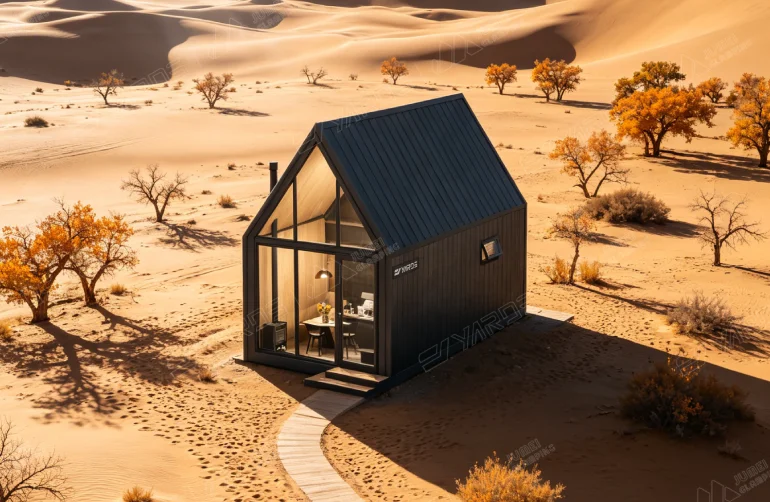
Environmental conditions also influence the performance of a prefab home. Coastal locations may experience high humidity, salt exposure, and strong winds, while desert environments face intense sunlight, dust, and significant temperature fluctuations. Mountain destinations may require improved insulation and roofing systems suitable for local weather conditions.
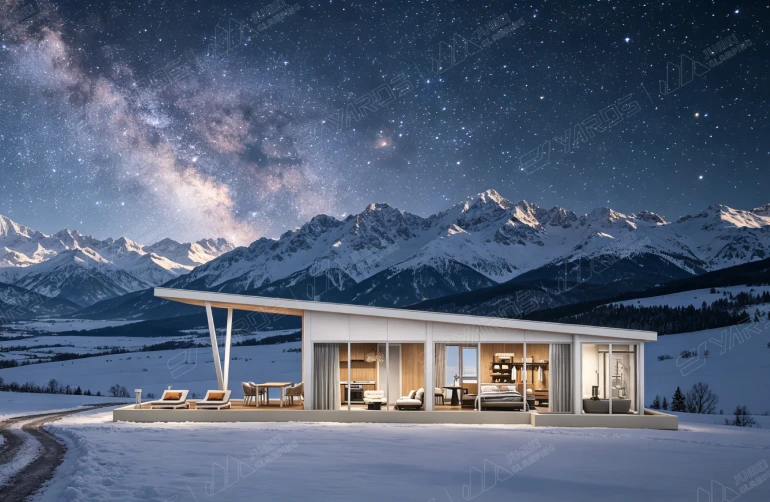
Custom Luxury Prefab Homes can be configured with appropriate structural materials, insulation, windows, exterior finishes, and ventilation systems to suit the intended location. For coastal projects, corrosion-resistant components can help protect metal structures. In hot climates, shading, thermal insulation, and effective ventilation can improve indoor comfort. In colder regions, suitable insulation and carefully selected doors and windows can help reduce heat loss.
Material selection should always consider local building codes, expected weather conditions, and long-term maintenance requirements.
Creating Layouts That Complement the Landscape
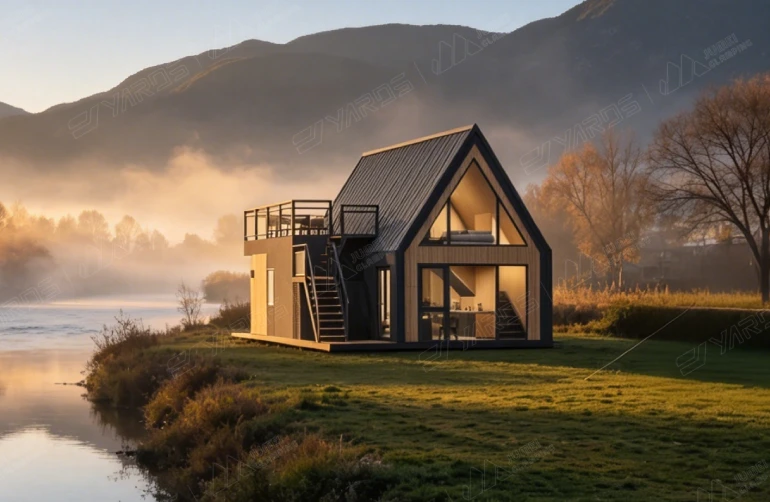
Customization is not limited to structural performance. It also allows the building layout to take advantage of the surrounding scenery. A hillside property might feature panoramic windows and a private balcony overlooking the valley, while a lakeside retreat could incorporate a spacious deck and open-plan living area.
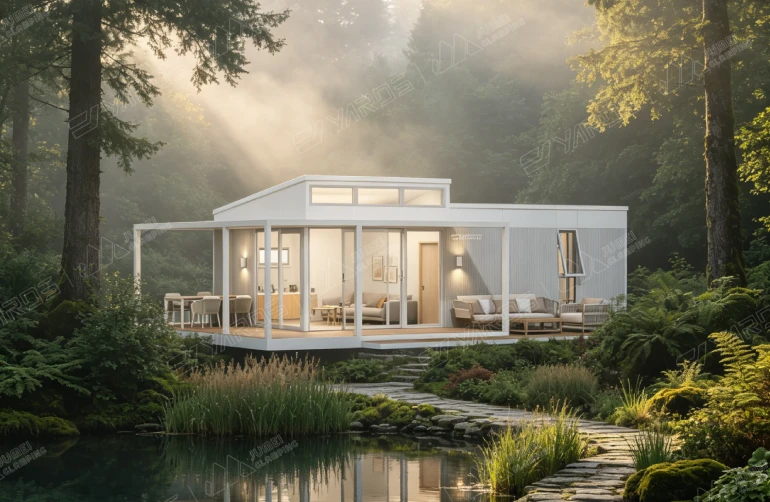
For forest resorts, larger windows can connect indoor spaces with natural views, while thoughtful building orientation can help balance daylight, privacy, and thermal comfort. Modular room arrangements also allow owners to adjust bedroom numbers, living areas, bathrooms, and storage according to their intended use.
These design choices help Custom Luxury Prefab Homes provide a more distinctive experience for private homeowners, holiday guests, and resort visitors.
Improving Project Efficiency and Land Use
Prefabricated components are manufactured in a controlled factory environment before being transported to the construction site. This approach can improve production consistency and reduce the amount of on-site building work. Customized designs may also help coordinate transportation, assembly, and site preparation more efficiently.
Nevertheless, difficult terrain can still increase foundation, crane, access, and installation costs. Early planning with architects, engineers, and the manufacturer is essential to establish a realistic budget and construction schedule.
Conclusion
Different terrains create different construction challenges, but a carefully planned design can turn these challenges into opportunities. Custom Luxury Prefab Homes allow property owners to adapt foundations, materials, layouts, and exterior features to specific landscapes and climates. With professional site assessments and suitable engineering, customized prefab homes can deliver comfortable, visually appealing accommodation while making more effective use of the surrounding environment.