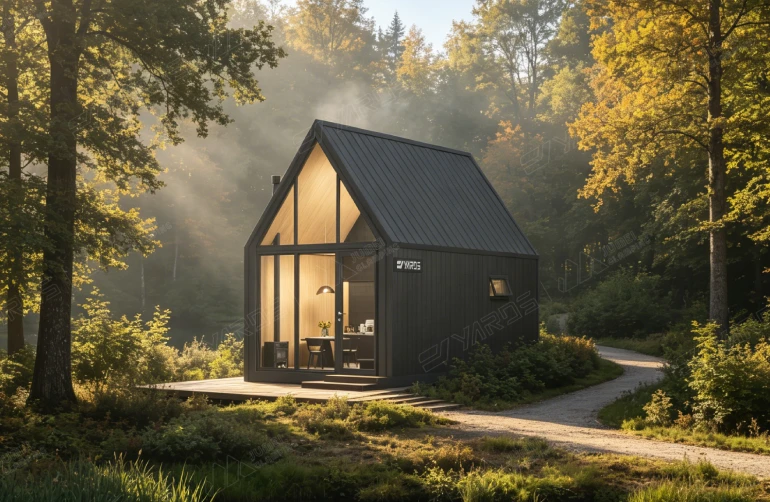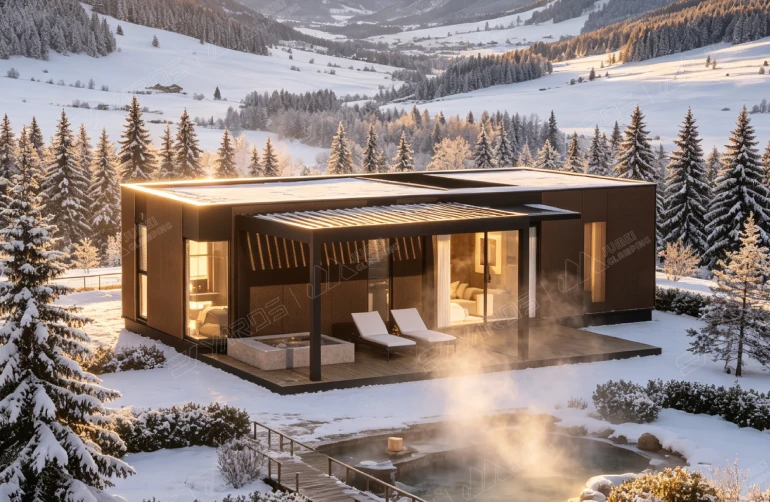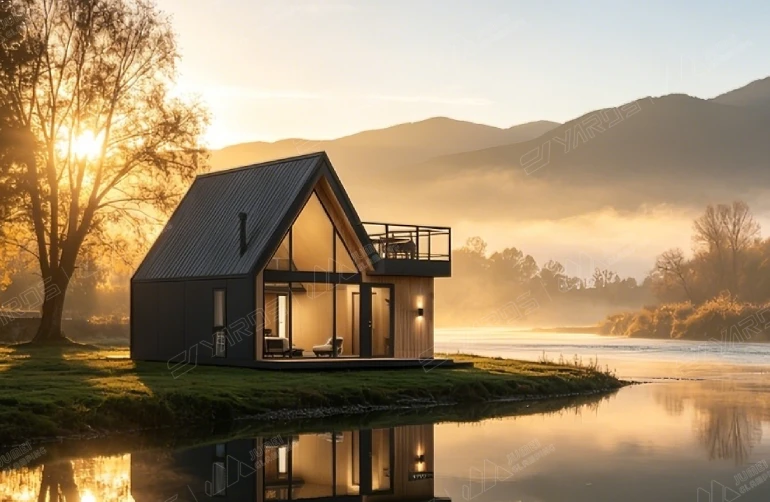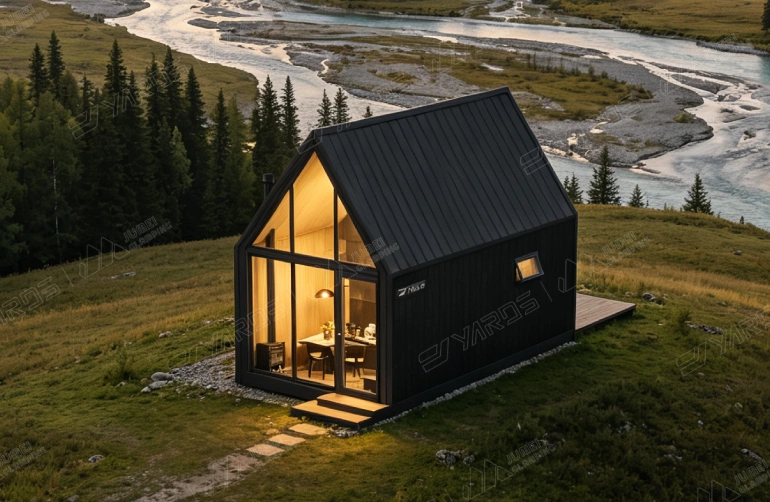
For resort investors and outdoor accommodation developers, choosing the right building solution involves more than appearance and interior layout. Custom Modular Homes offer greater flexibility in adapting to different landscapes, climate conditions, and project requirements. Whether a development is located in the mountains, near the coast, or within a forest, customized structural designs and material selections can help improve site compatibility and long-term durability. This flexibility makes modular buildings an attractive option for commercial projects in diverse outdoor environments.
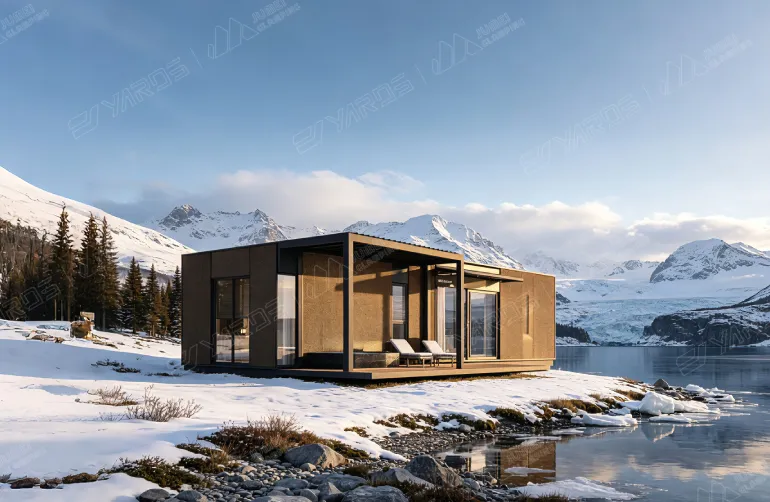
Adapting to Different Terrain Conditions
Every development site presents different construction challenges. Mountain resorts may have uneven slopes, limited access roads, and changing ground conditions. Coastal projects face humidity, salt exposure, and strong winds, while forest locations may involve irregular terrain, dense vegetation, and seasonal rainfall.
Customization allows investors to select building dimensions, foundation solutions, and structural configurations according to the actual site conditions. For sloped land, adjustable support systems or elevated foundations may help reduce unnecessary ground excavation. In areas with limited construction access, modular components can be planned for easier transportation and on-site assembly.
A professional manufacturer should evaluate site drawings, ground conditions, and local building requirements before recommending a suitable configuration. This helps avoid selecting a standard structure that may not fit the development environment.
Material Selection for Long-Term Durability
Environmental conditions have a direct influence on the service life of modular buildings. Choosing appropriate materials during the design stage can help reduce future maintenance requirements.
For coastal resorts, corrosion-resistant metal components and suitable exterior finishes are important considerations. In humid or rainy environments, waterproof detailing, effective drainage, and moisture-resistant materials can help protect the building structure. For locations exposed to strong sunlight, UV-resistant exterior materials and appropriate insulation can improve durability and indoor comfort.
Custom Modular Homes can also be configured with different wall systems, roofing materials, windows, and insulation options. Investors should consider the local climate rather than focusing only on initial purchasing costs. Materials that perform well in the intended environment may help reduce repair frequency and long-term operating expenses.
Structural Design for Outdoor Conditions
Durability depends not only on materials but also on structural engineering. Wind loads, rainfall, temperature changes, and foundation conditions should all be considered during project planning.
For example, mountain developments may require careful attention to wind exposure and snow loads where relevant. Coastal projects may need additional protection against corrosion and wind pressure. In regions with heavy rainfall, roof slopes, drainage systems, and waterproof connections deserve particular attention.
Investors should request technical specifications and confirm whether the proposed structure meets applicable local building codes. A reliable manufacturer should be able to explain the design choices and identify which features are necessary for the project’s location.
Customization Supports Better Investment Planning
Beyond environmental adaptation, customized layouts help developers make better use of available land. Different unit sizes, window positions, outdoor terraces, and interior configurations can be selected according to the resort’s positioning and target guests.
Manufacturers such as Yards can help investors explore modular building configurations for different commercial applications. By discussing terrain, climate, transportation, and operational requirements early, developers can make more practical purchasing decisions.
Ultimately, Custom Modular Homes provide investors with the flexibility to match building designs to real site conditions. With suitable materials, structural planning, and professional manufacturing support, customized modular buildings can offer reliable performance across different outdoor environments and support the long-term development of resort projects.