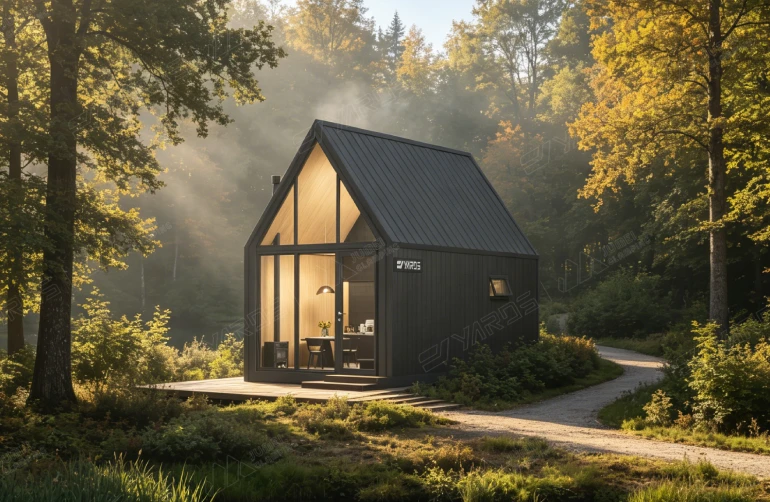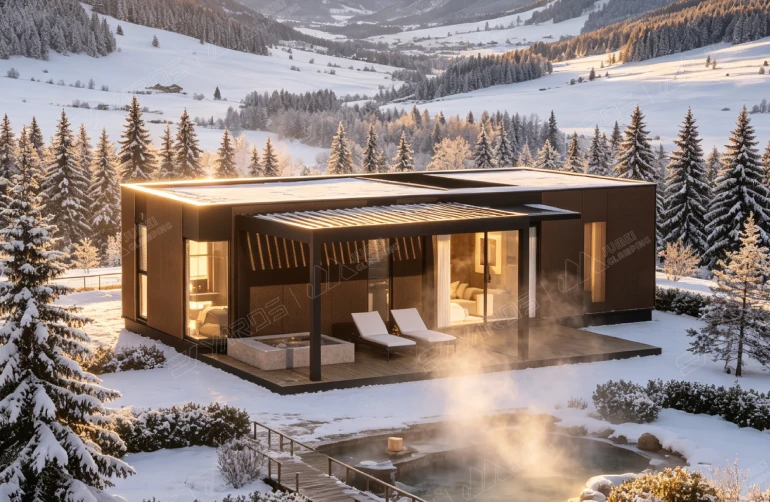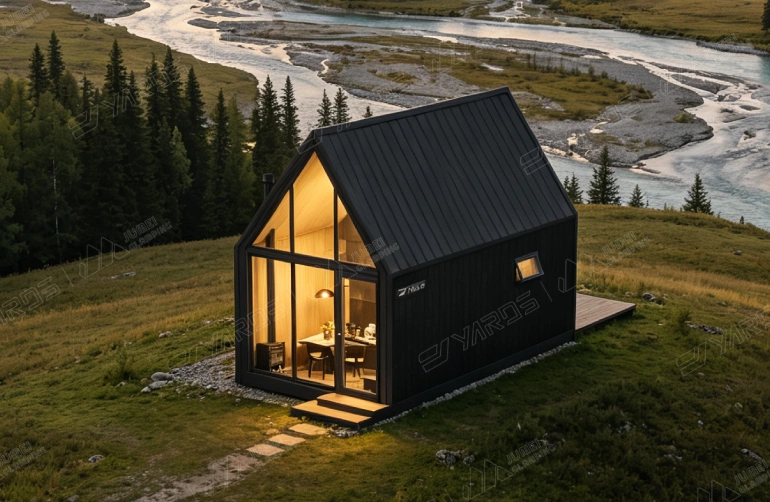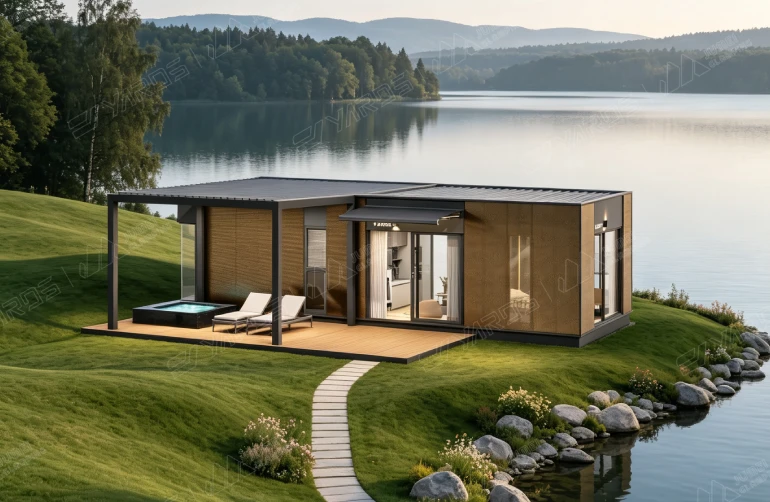
Choosing a reliable Modular Home Factory is an important step for resort developers, tourism investors, property owners, and international buyers. Online catalogs and attractive project photos can provide useful information, but they cannot fully show how a manufacturer manages materials, production, quality control, and delivery. A factory visit can provide a much clearer picture before placing an order.
What to Check During a Factory Visit
The first thing to observe is whether the factory has a genuine production environment rather than simply a showroom or trading office. Walk through the main production areas and look at structural processing, wall and roof systems, insulation, windows, interior finishing, electrical work, storage, and final assembly.
A professional Modular Home Factory should have an organized workflow and clear quality-control checkpoints. Buyers should also ask how materials are received, stored, inspected, and matched with approved specifications. For modular construction, quality problems are easier and less expensive to correct before components are enclosed or shipped.
Check Production Capacity and Technical Capability
Factory size alone does not guarantee production capability. Buyers should understand the manufacturer’s actual monthly capacity, equipment, technical team, internal production processes, and subcontracting arrangements.
It is also useful to ask whether the manufacturer can handle customized layouts, different climates, special materials, and project-specific requirements. For large resort projects, production should ideally be planned in batches so that different units maintain consistent dimensions, finishes, and specifications.
Review Quality Control Before Purchasing
Before signing a contract, buyers should establish clear inspection points. These can include material verification, structural assembly, dimensional checks, waterproofing, electrical and plumbing systems, interior finishing, final inspection, and container loading.
Factory acceptance before shipment can be particularly valuable because correcting a defect after the modules arrive at the destination may involve additional transportation, labor, and installation costs. Industry guidance also recommends giving buyers or their representatives defined rights to inspect production and conduct final factory acceptance checks.
Consider Yards as a Factory Example
When comparing manufacturers, Yards is one example worth including in a factory assessment. Its Guangzhou manufacturing facility covers more than 30,000 square meters and integrates material procurement, precision processing, assembly, warehousing, and logistics. Yards also states that its production system uses multiple quality-control checkpoints and supports customized modular products.
For buyers planning an overseas resort or hospitality project, this type of integrated manufacturing system can make communication between design, production, inspection, and delivery more straightforward.
Procurement Should Go Beyond the Quotation
A factory visit should ultimately support a more complete purchasing decision. Besides the unit price, buyers should compare material specifications, production schedules, customization scope, quality-control procedures, packaging, shipping arrangements, warranty terms, and after-sales support.
A reliable Modular Home Factory should be able to provide clear technical documents and explain how the final product will match the approved design. Taking time to inspect the factory and verify its capabilities can reduce purchasing risks and create a stronger foundation for long-term cooperation.
For international buyers, the goal is not simply to find the lowest quotation. It is to find a manufacturer capable of consistently turning an approved design into a reliable finished product.